
Have you ever visited a hotel where the staff was not quite right? They may have brought that towel on time, but there was no warmth, no understanding in their eyes. It really felt as though you were some stranger whose face had just blended into the background of other faces. On the other hand, think about that time you stayed in a hotel where the staff really understood. They knew exactly that you must have been exhausted from a full day spent on flights; they gave you a meaningful smile rather than just a mechanical “hello” and might even point you in the way of that great coffee shop down the block. Which one will you choose?
The hospitality industry can be quite rough. One minute, you are ironing a crumpled shirt for a jet-lagged businessman, and the next, you are comforting a small child who is distraught because his favorite toy has gone missing. It is a blur of personalities, requests, and emotions—a human kaleidoscope that, at its best, is strangely energizing.
However, there is one thing that will make this journey easier: empathy! Empathy, or compassion, is a critical skill that will elevate you beyond the role of a room service provider and transform you into a true hospitality hero.
Here’s Why Empathy Lies at the Heart of Hospitality:
It creates a connection: People are looking for real connections, if not for too long. Empathy can further bond the guests and staff, creating warmth and trust.
It predicts needs: If you are able to put yourself in someone else’s shoes, you could start anticipating their needs. It varies from providing extra blankets on a cold night to suggesting the best attractions around when a family heads on vacation.
It defuses tension: Let’s face it, travel can be stressful. Problems like getting a delayed flight or losing a passport can contrive to make your guests to be cranky. Being kind to your visitor enables you to handle these circumstances with empathy, which helps to turn a potentially negative encounter into a positive one.
It generates memorable moments: A sincere smile, a helping hand, or occasionally small gestures of compassion can make a big impact on the guest’s memory of their stay. You might be the reason they will go back to your hotel and, in return, become a loyal customer.
So, what does it take to be an empathy champion in the world of hospitality?
Active listening: Pay keen attention to what the guests are communicating, both verbally and non-verbally. Seek cues that might give you a window into unspoken concerns or needs.
Try to walk a mile in their shoes: Think of how you would feel if you were in their place. What would you need or appreciate?
Be present: Put your phone away and provide undivided attention. A genuine interaction can go far.
Go the extra mile: Sometimes, a small act of kindness can make the biggest difference. Offer a water bottle to a guest who looks thirsty, recommend a restaurant for a special occasion, and so on.
Always remember that empathy is a skill that requires constant effort. The more you exercise it, the more it will become second nature, which guarantees many benefits: a happier guest, a more rewarding career, and the sweetest satisfaction of making someone else’s day just a little brighter.
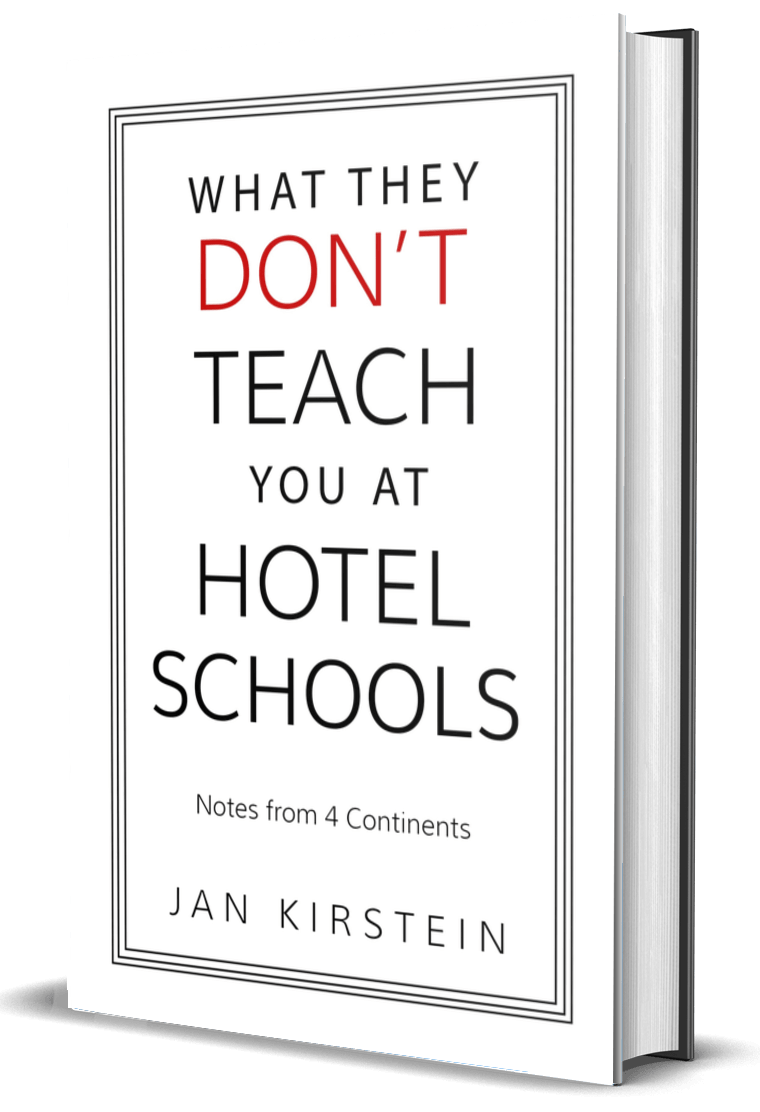
For a deeper dive into the art of hospitality and developing your empathy and other required skills, get your copy of “What They Don’t Teach You at Hotel Schools.”
“What They Don’t Teach You at Hotel Schools“ by Jan Kirstein lifts the lid on the realities of an international hotelier’s life. By going beyond textbook theory, the book delves into the profession’s practicalities, challenges, and rewards. From navigating cultural complexities to balancing career and family, Kirstein offers invaluable insights for aspiring hotel managers or anyone building a career in hospitality. His international experience working with hotel operators and owners, as well a background as asset manager, provides, a well-rounded perspective on the industry, making this book a must-read for those seeking a realistic glimpse into the world of hospitality.